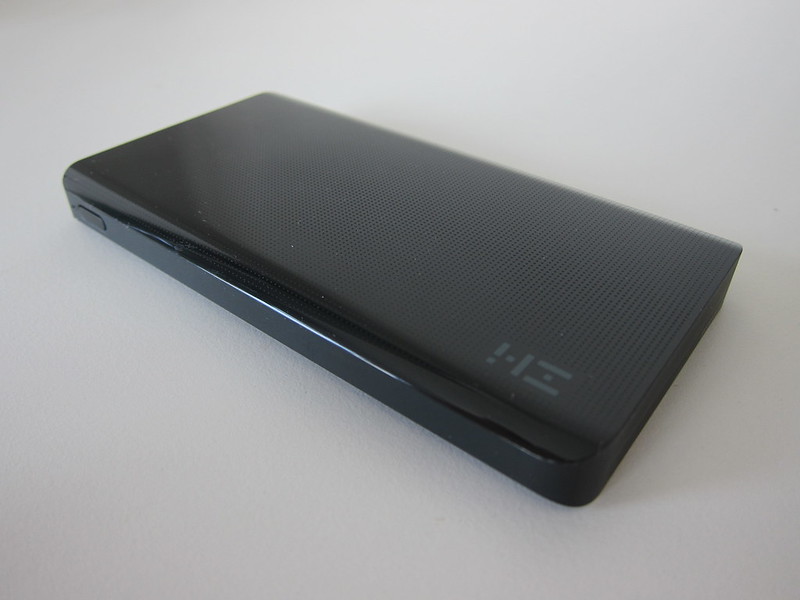
Xiaomi ZMI QB810 10,000mAh Power Bank
The Xiaomi ZMI QB810 10,000mAh Power Bank is the smaller sibling of the QB820 20,000mAh. I bought it for about S$19 during the 12/12 sale. It weighs 177g and accepts input via either micro-USB or USB-C.
USB Power Delivery chargers and cables for fast, high-wattage charging.
The Xiaomi ZMI QB810 10,000mAh Power Bank is the smaller sibling of the QB820 20,000mAh. I bought it for about S$19 during the 12/12 sale. It weighs 177g and accepts input via either micro-USB or USB-C.
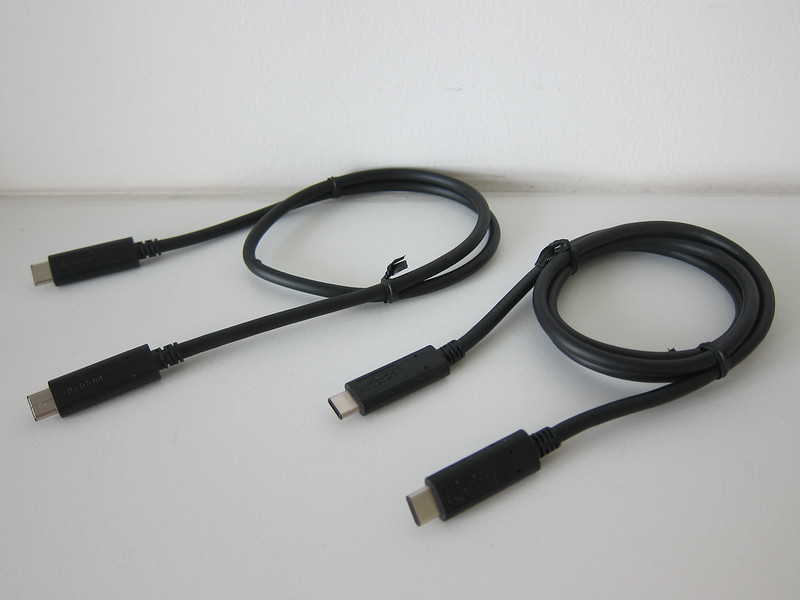
I bought two Elecom USB-C to USB-C Power Delivery cables from Yodobashi Sapporo, only to realise they're from different series despite looking identical. Per Benson Leung, the USB3-CC5P supports 100W (5A), while the USB3-CCP supports 60W (3A).
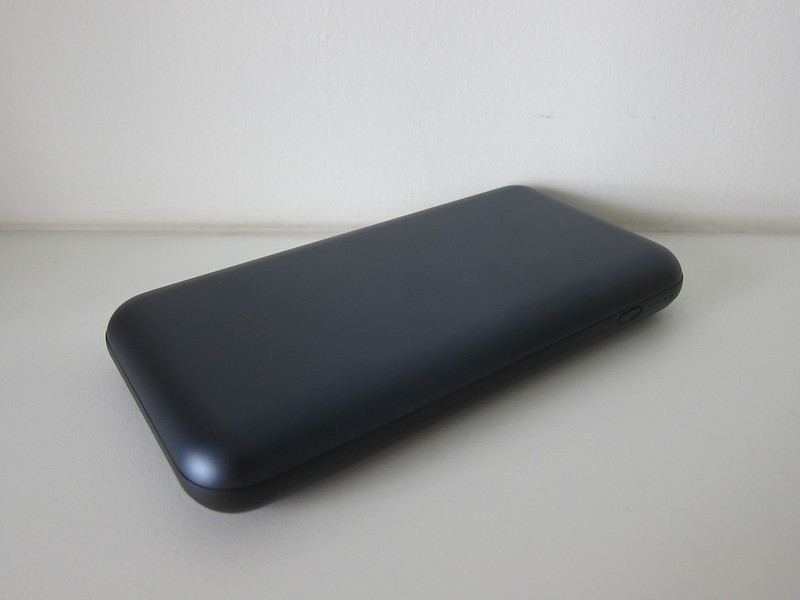
I hadn't realised ZMI is one of Xiaomi's ecosystem companies, supplying its power banks, batteries, and chargers. I came across the ZMI QB820 20,000mAh Power Bank through a friend's comment during the Razer Power Bank launch discussion.
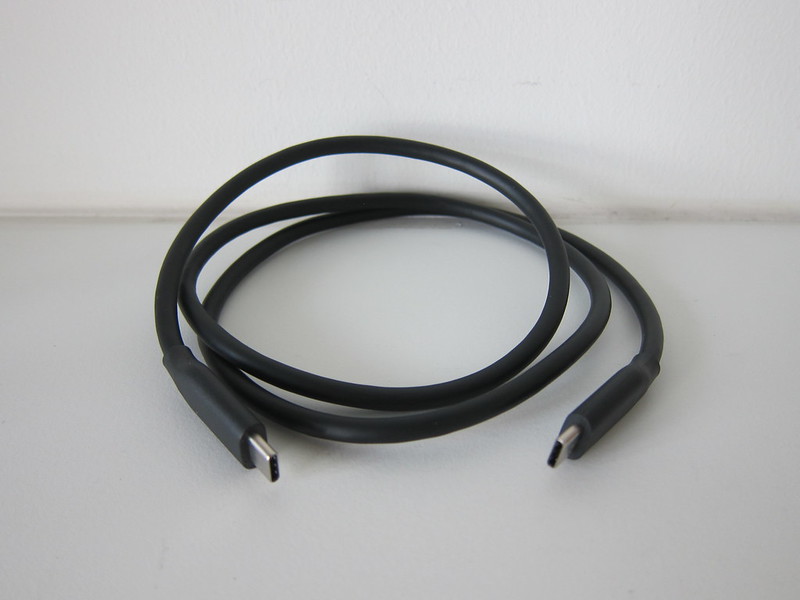
To charge a USB-C MacBook Pro, your cable must support USB Power Delivery. The Anker PowerLine USB-C to USB-C Cable retails for US$15.99 in a 0.9m length, a cheaper alternative to Apple's 2m USB-C Charge Cable at S$48.
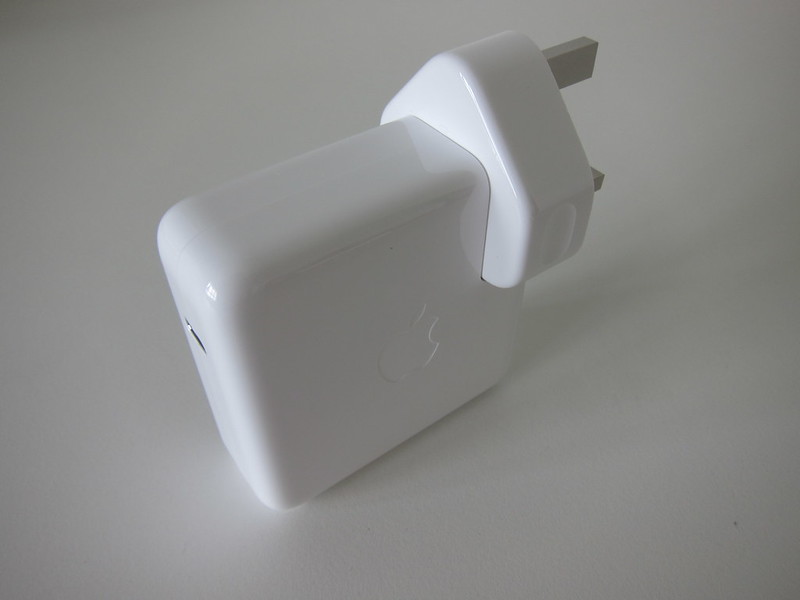
The Apple 61W USB-C Power Adapter retails for S$98, my first purchase at the new Apple Orchard Road store. It powers the 13-inch MacBook Pro, though pricey, it doesn't include a USB-C charge cable.
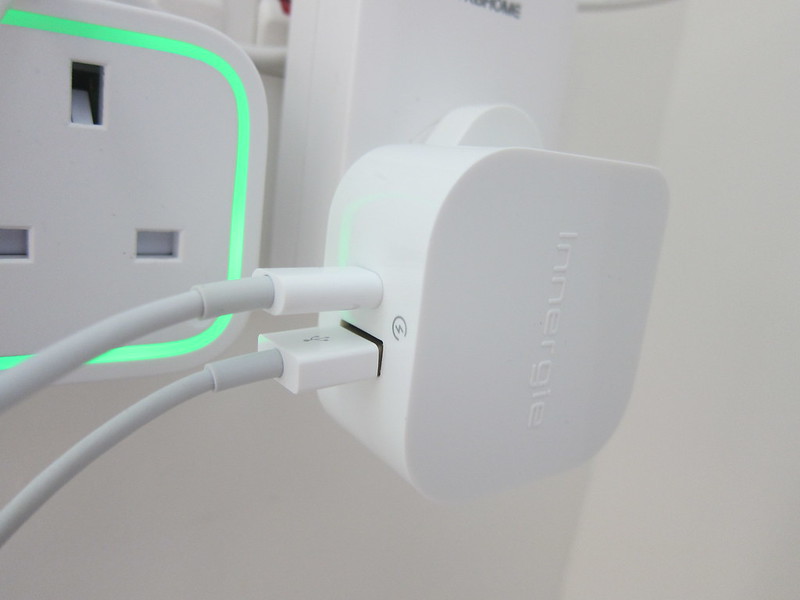
The Innergie PowerJoy 30C, unveiled at Computex 2017, is Innergie's first USB-C wall charger, retailing for US$44. It features SmartBoost for up to 35% faster charging and InnerShield power protection, and ships with three interchangeable travel plugs.
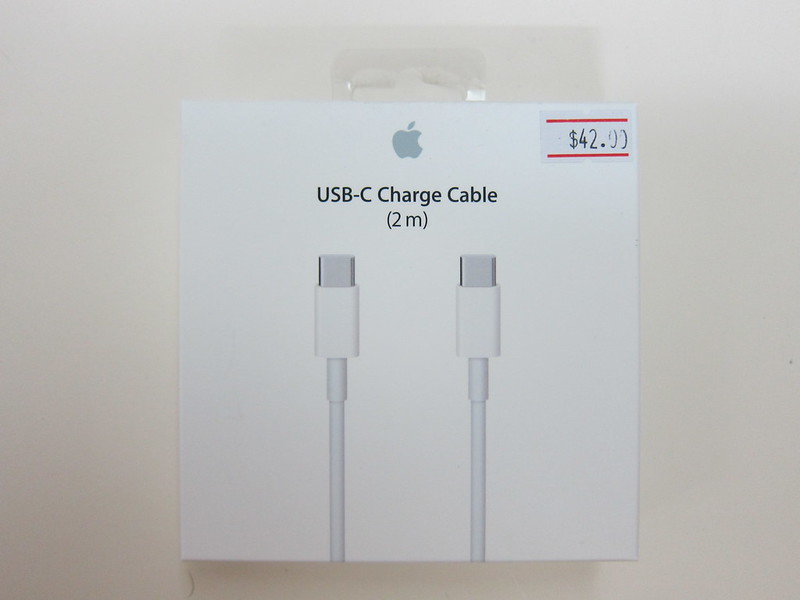
The Apple USB-C Charge Cable retails for S$42 in just one 2m length; I wish it also came in 0.5m and 1m. Its reversible plugs mean no orientation markings on the ends, much like Apple's Lightning cables.