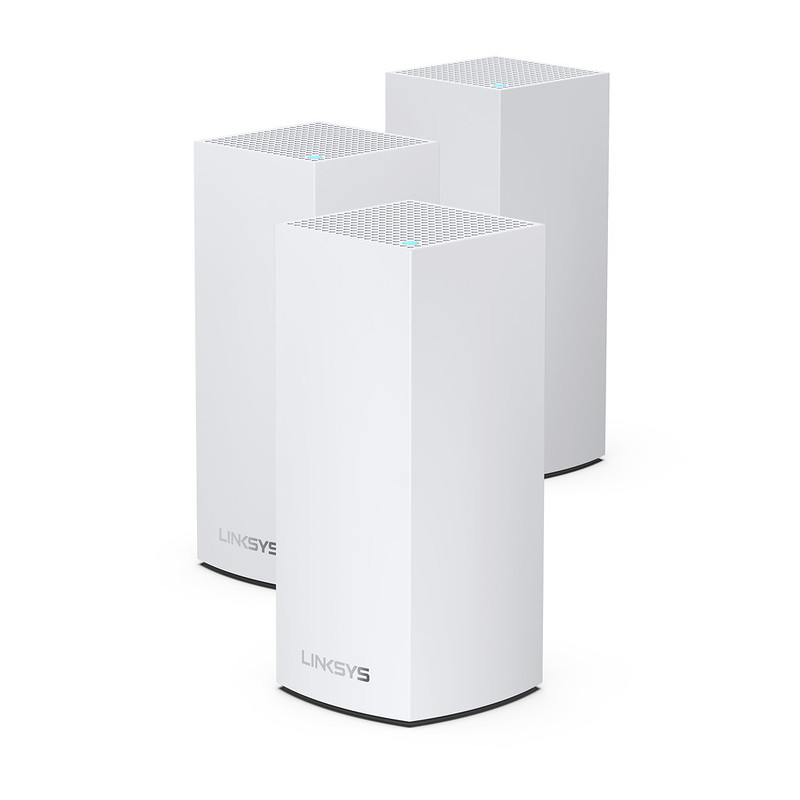
Linksys Atlas Pro 6
The Linksys Atlas is a new Wi-Fi mesh series following Velop, led by the Atlas Pro 6. This dual-band Wi-Fi 6 router shares Velop's intelligent mesh tech, so you can mix nodes between the two.
Linksys routers and mesh systems, from the Velop line to Max-Stream gigabit routers.
The Linksys Atlas is a new Wi-Fi mesh series following Velop, led by the Atlas Pro 6. This dual-band Wi-Fi 6 router shares Velop's intelligent mesh tech, so you can mix nodes between the two.

The Linksys Velop MX4200 is the brand's second Wi-Fi 6 mesh router after the MX5300 I reviewed. Despite the lower model number, it's not really inferior, and the two are physically indistinguishable in looks and dimensions.

The Linksys Velop MX5300 Wi-Fi 6 launched in Singapore on 20th February 2020 for S$569, initially exclusive to Challenger and Hachi.tech. It's the third Velop mesh system, effectively the successor to the original tri-band Velop.
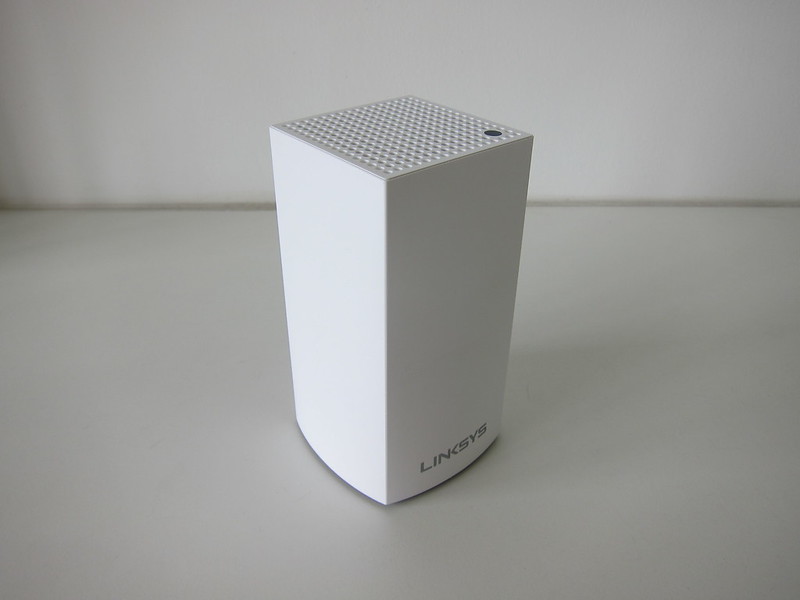
A key gripe with the Linksys Velop (Tri-Band) was its price, S$349 to S$749 across packs. The Linksys Velop (Dual-Band), launched 28th July 2018, solves that by being roughly half the price, making mesh Wi-Fi far more wallet-friendly.
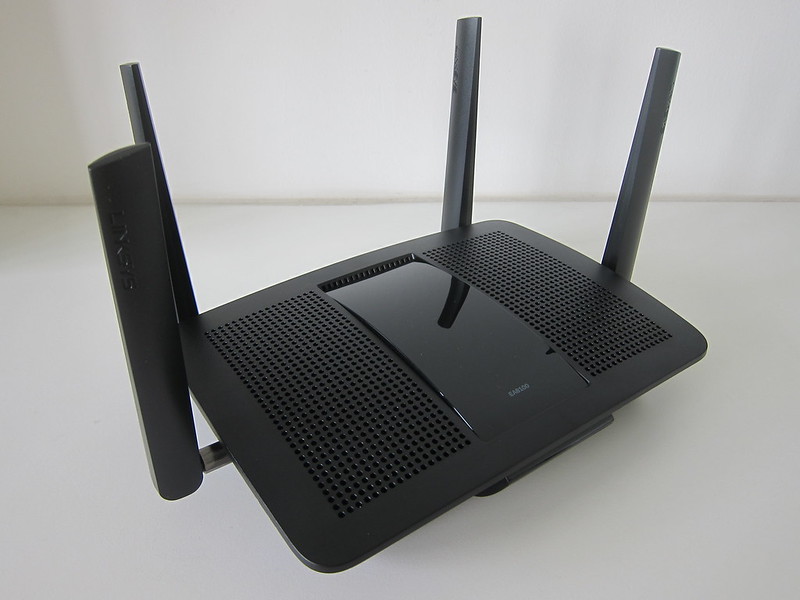
Three years after the EA8500, Linksys's first MU-MIMO router, comes the EA8100 Max-Stream AC2600, the brand's first DFS (Dynamic Frequency Selection) router. DFS is its main draw, opening up extra Wi-Fi channels.
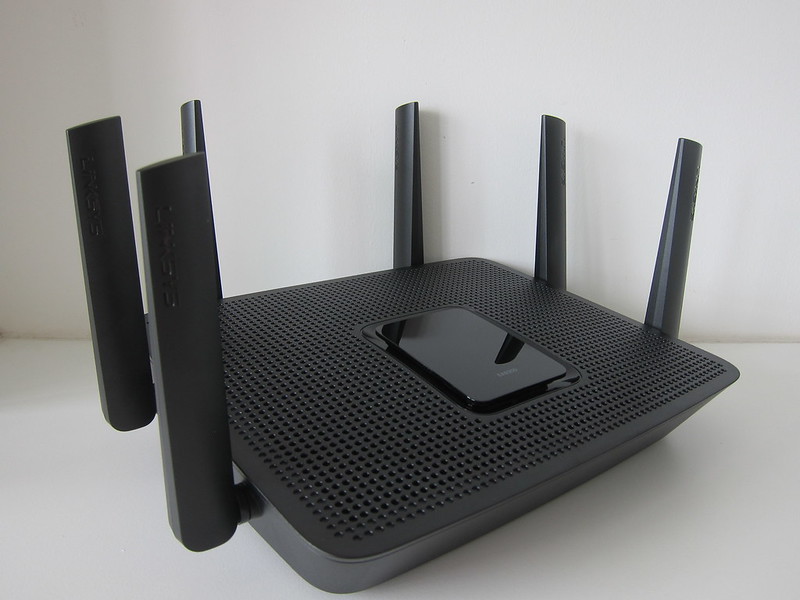
The Linksys EA9300 Max-Stream AC4000 Tri-Band Router launched in August 2017 at S$399. Not Linksys's flagship, that's still the EA9500, it succeeds the EA9200 from two years prior. Yet its 1.8GHz quad-core CPU makes it the most powerful.
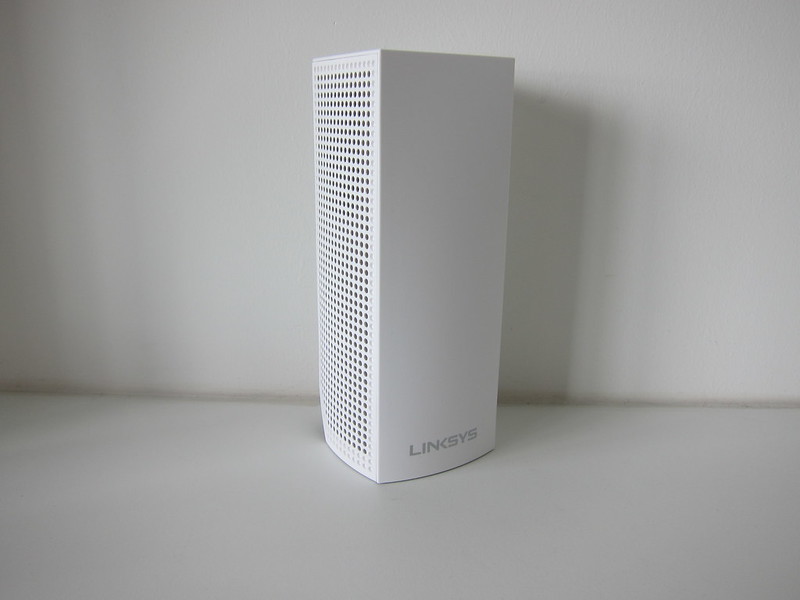
The Linksys Velop is Linksys's first Wi-Fi mesh system, launched in Singapore on 12th April 2017, the second after Netgear Orbi. Like the eero I've used since January, mesh lets your whole home share a single SSID.
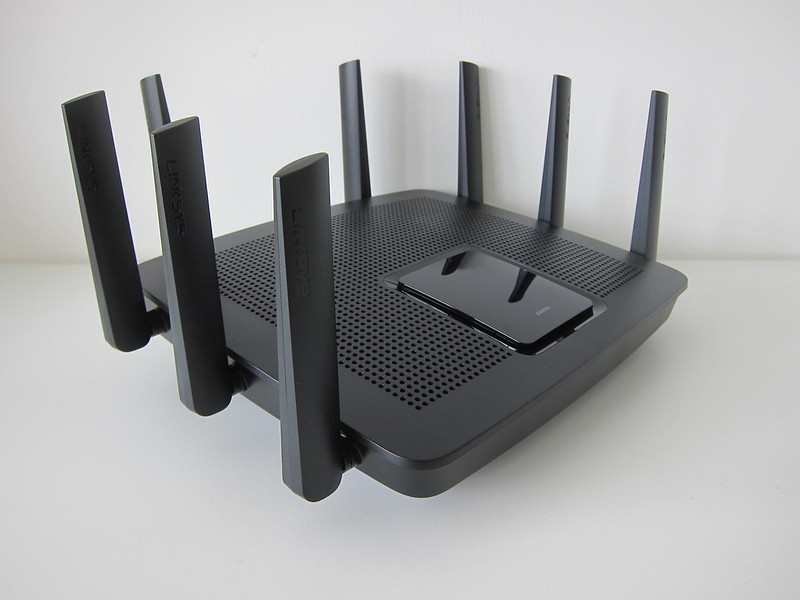
The Linksys EA9500 Max-Stream AC5400 MU-MIMO Gigabit Router has been available in Singapore since August 2016 at S$539. It's the flagship of the Max-Stream family, above the mid-range EA8500 I reviewed, featuring 802.11ac Wave 2 Wi-Fi with MU-MIMO.
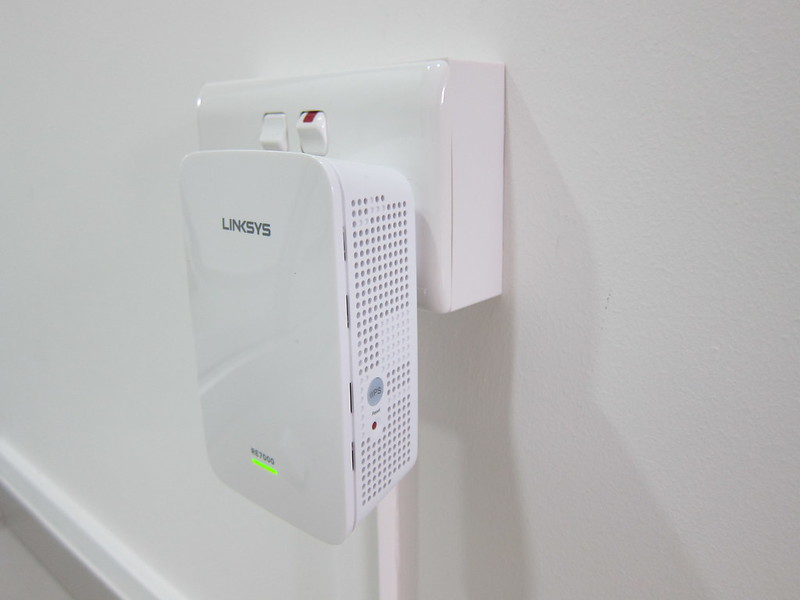
The Linksys RE7000 Max-Stream AC1900 Wi-Fi Range Extender has been available in Singapore since August 2016 at S$199. This AC1900 dual-band extender adds a Gigabit Ethernet port and is the first range extender to combine MU-MIMO with Seamless Roaming.
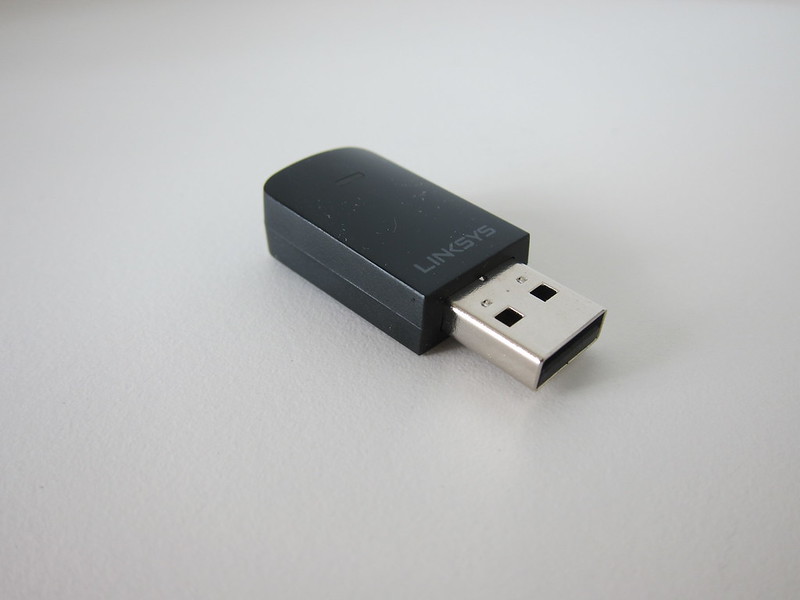
The Linksys WUSB6100M Max-Stream AC600 USB Adapter is billed as the world's first MU-MIMO-enabled adapter, launched in Singapore in August 2016 at S$129. It connects a PC to wireless-AC and MU-MIMO networks, though there's no Mac driver available.
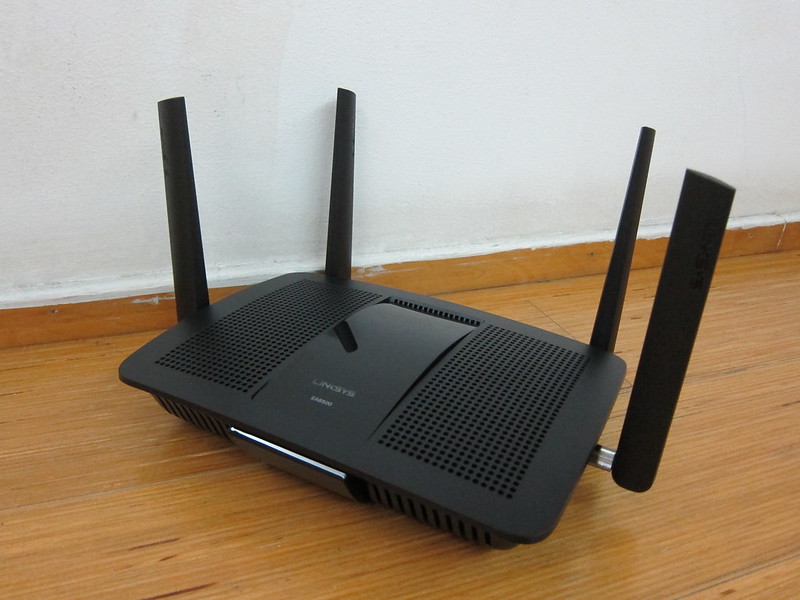
The Linksys EA8500 Max-Stream AC2600 MU-MIMO Gigabit Router launched on 4th August 2015, exclusively at Challenger before reaching most electronics stores, at S$399. Despite the lower model number, it isn't really a step down from the EA9200.
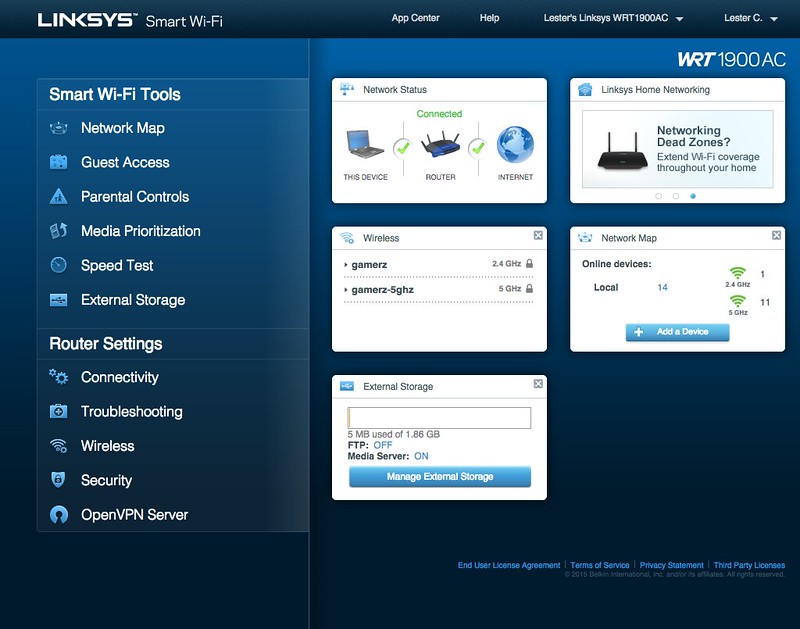
The new Linksys WRT1200AC brings the high-end features of the WRT1900AC to AC1200 speeds at a lower price, retailing for S$329 from 4th June 2015 at Challenger and other electronics stores. I attended its Singapore launch.
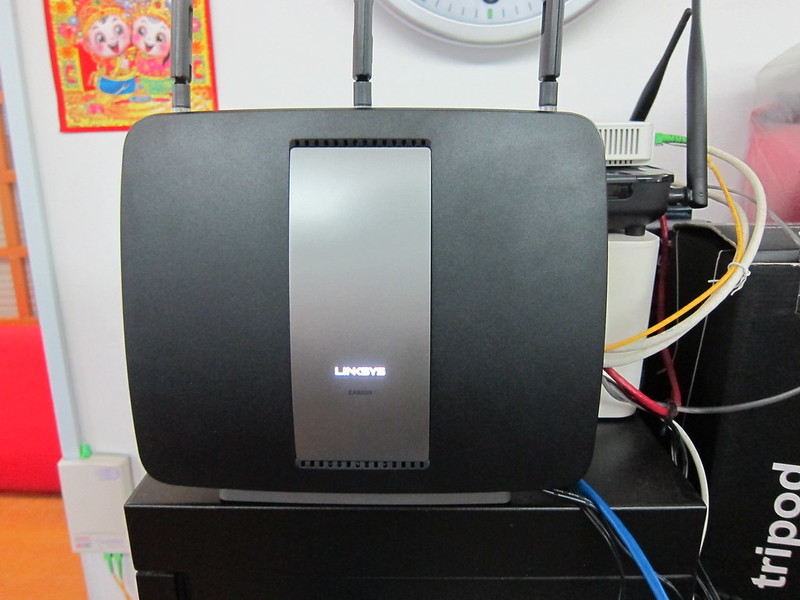
The Linksys EA9200 Wireless AC3200 Tri-Band Smart Wi-Fi Router launched in Singapore on 6th February 2015 at a recommended S$399, available only at Challenger for now. It's the new flagship after the Linksys E8350 AC2400, and its true successor.
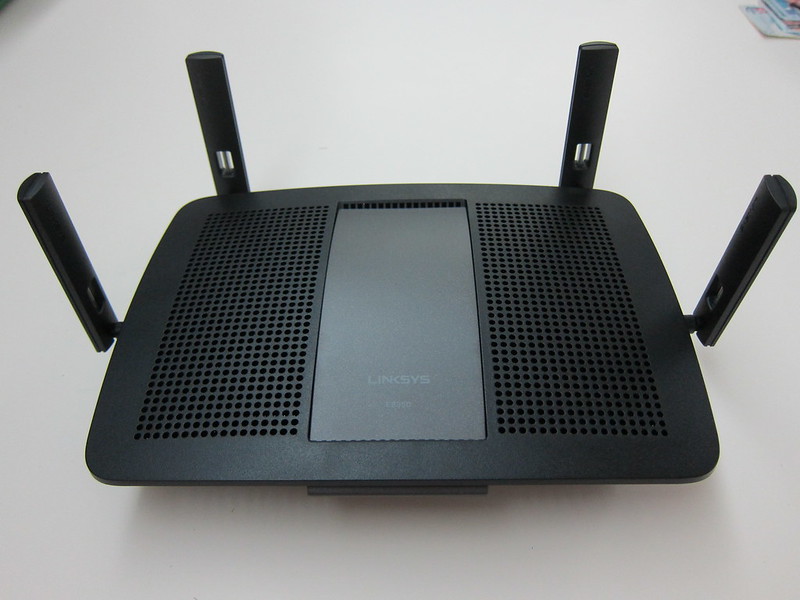
The Linksys E8350 AC2400 Dual-Band Gigabit Wi-Fi Router launched on 7th November 2014 at a recommended S$399, exclusive to Challenger and online. It's the second Linksys router priced at S$399 after the WRT1900AC, and I think that's too high.
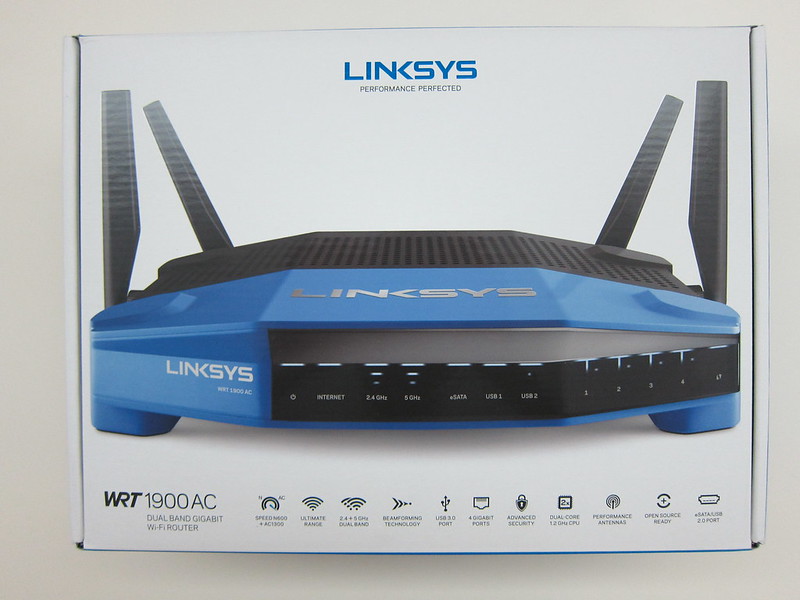
The Linksys WRT1900AC came in the biggest router box I've ever received. Inside, everything sits in protective foam rather than cardboard, with a sponge fixed to the lid to cushion the router. It retails for S$399.
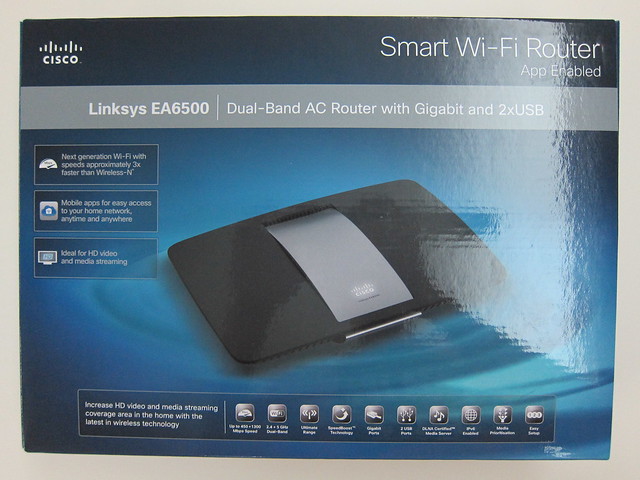
The Cisco Linksys EA6500 succeeds the EA4500 and is now in stores for S$349. It uses the new 802.11ac wireless technology, still under development, to deliver near-gigabit wireless speeds. Most AC routers currently reach a theoretical maximum of 1.3Gbps.

Cisco launched the Linksys EA4500 router in June 2012, retailing for S$299. It introduces Cisco Connect Cloud, letting you connect, control, and interact with your router and its devices from anywhere, as long as you're online.

Let me start by saying ADSL sucks and cable is the way to go. Authenticating over a phone line to connect is so 56K-era. ADSL disconnects far more than cable and its modem is buried in settings to configure.